

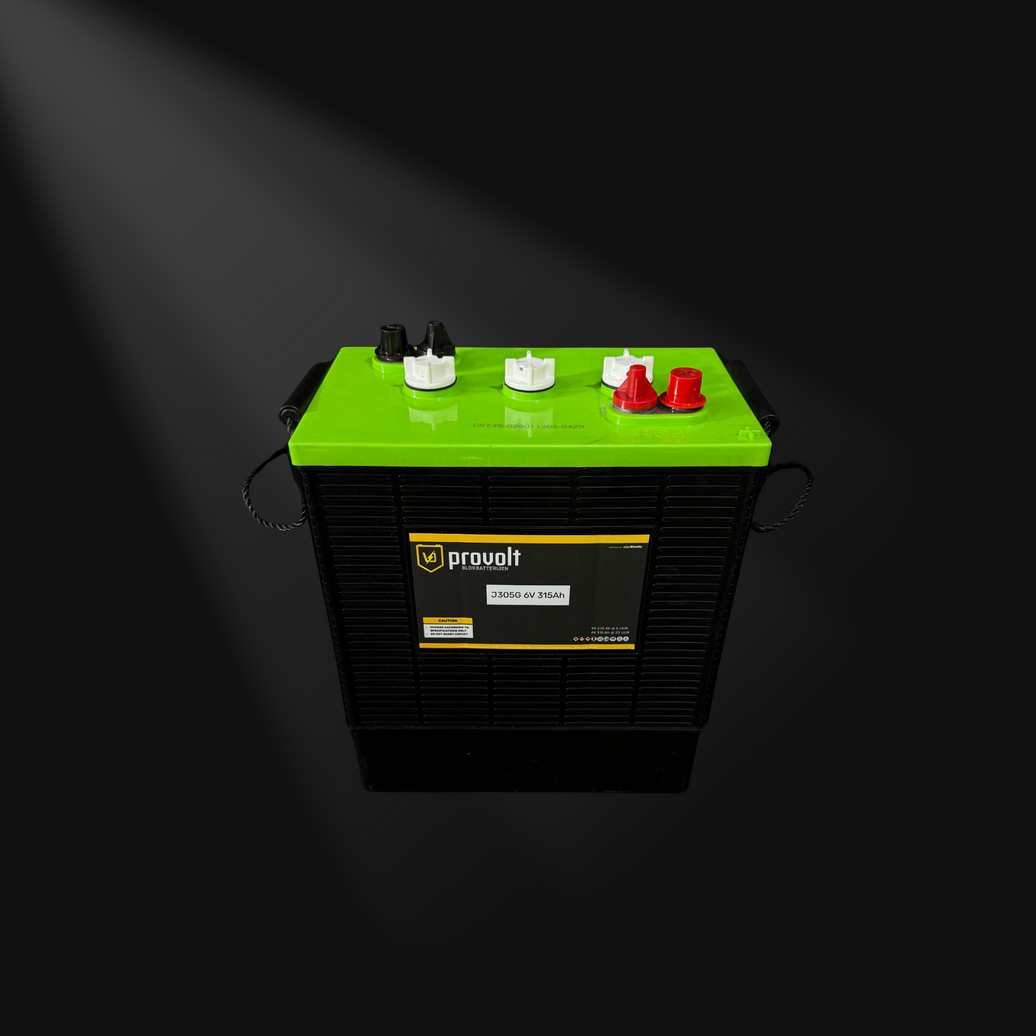
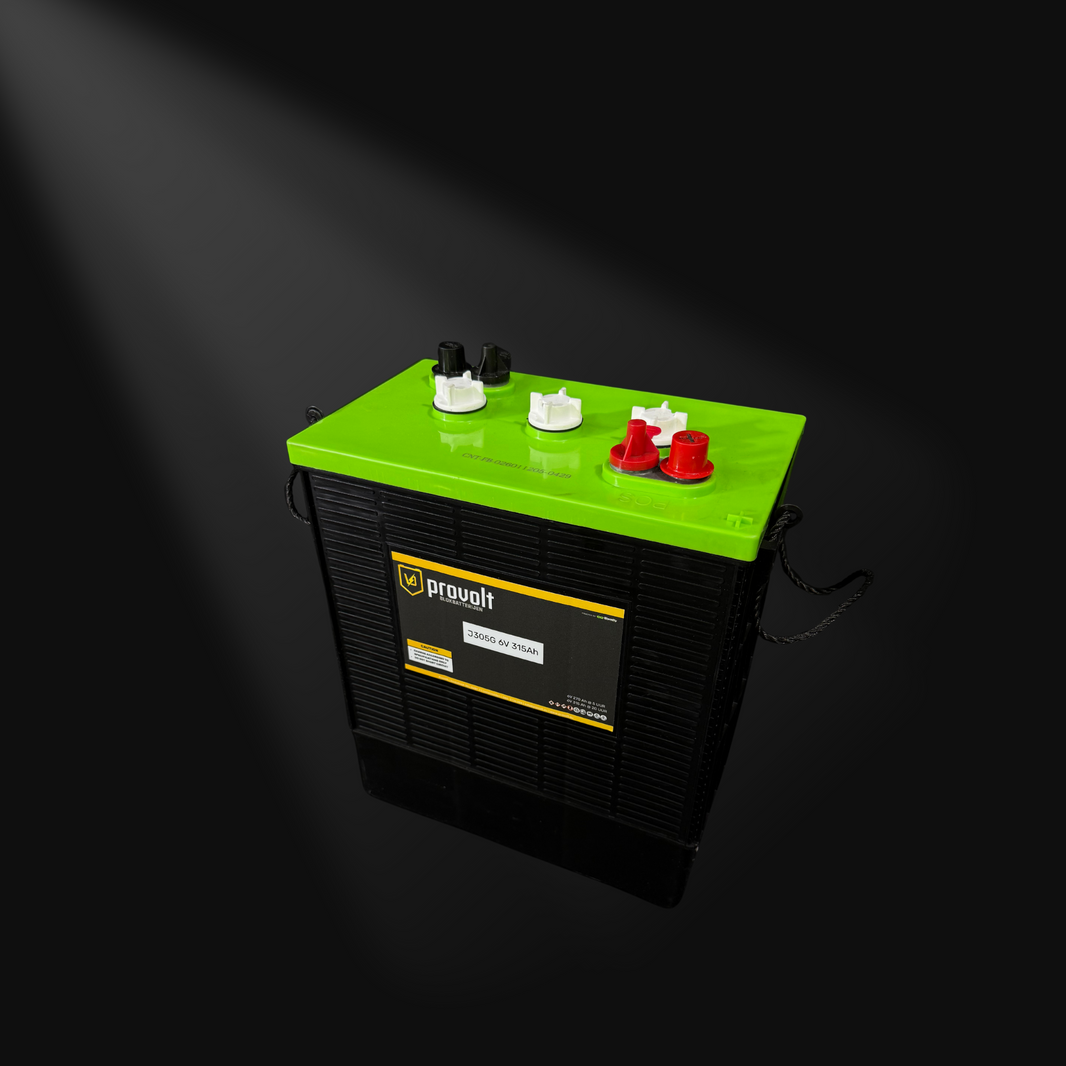
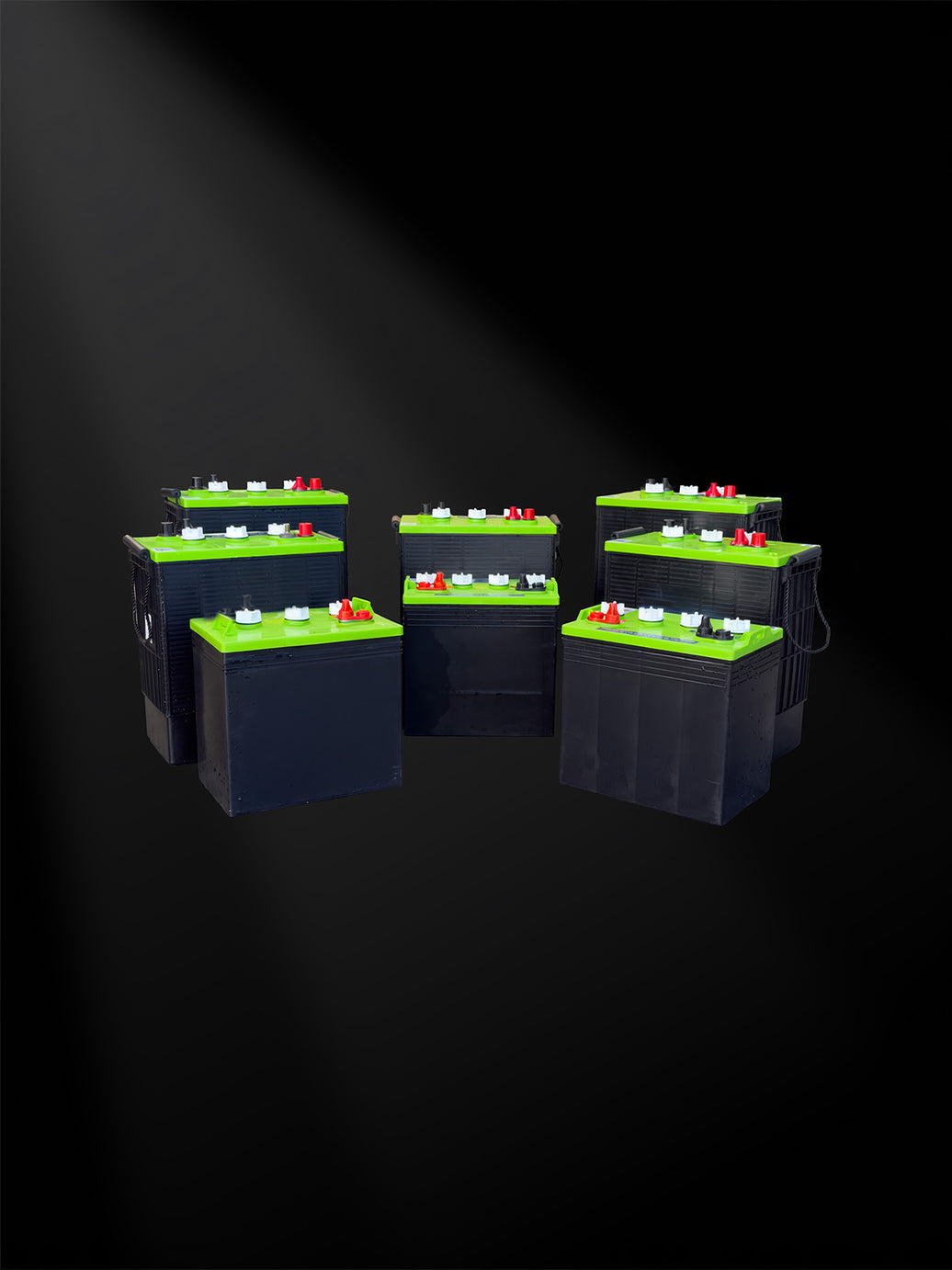
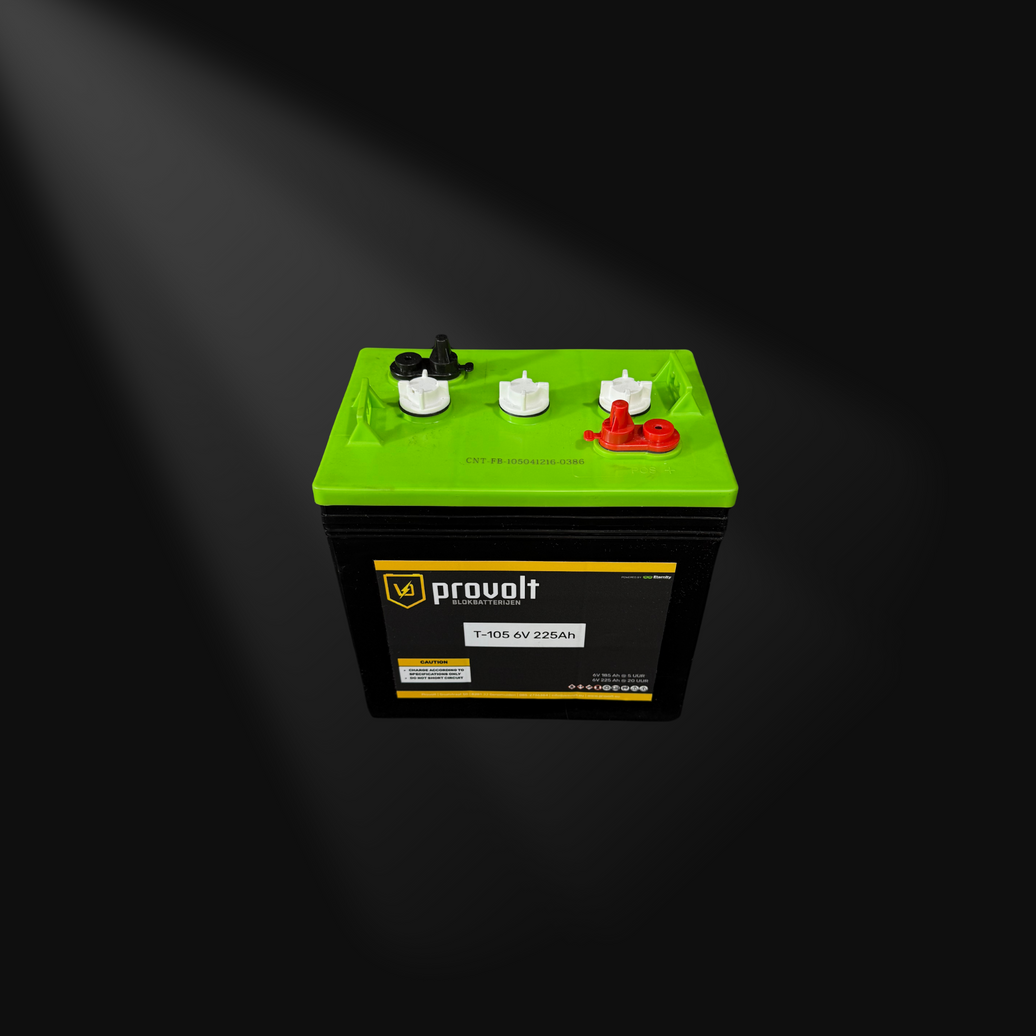
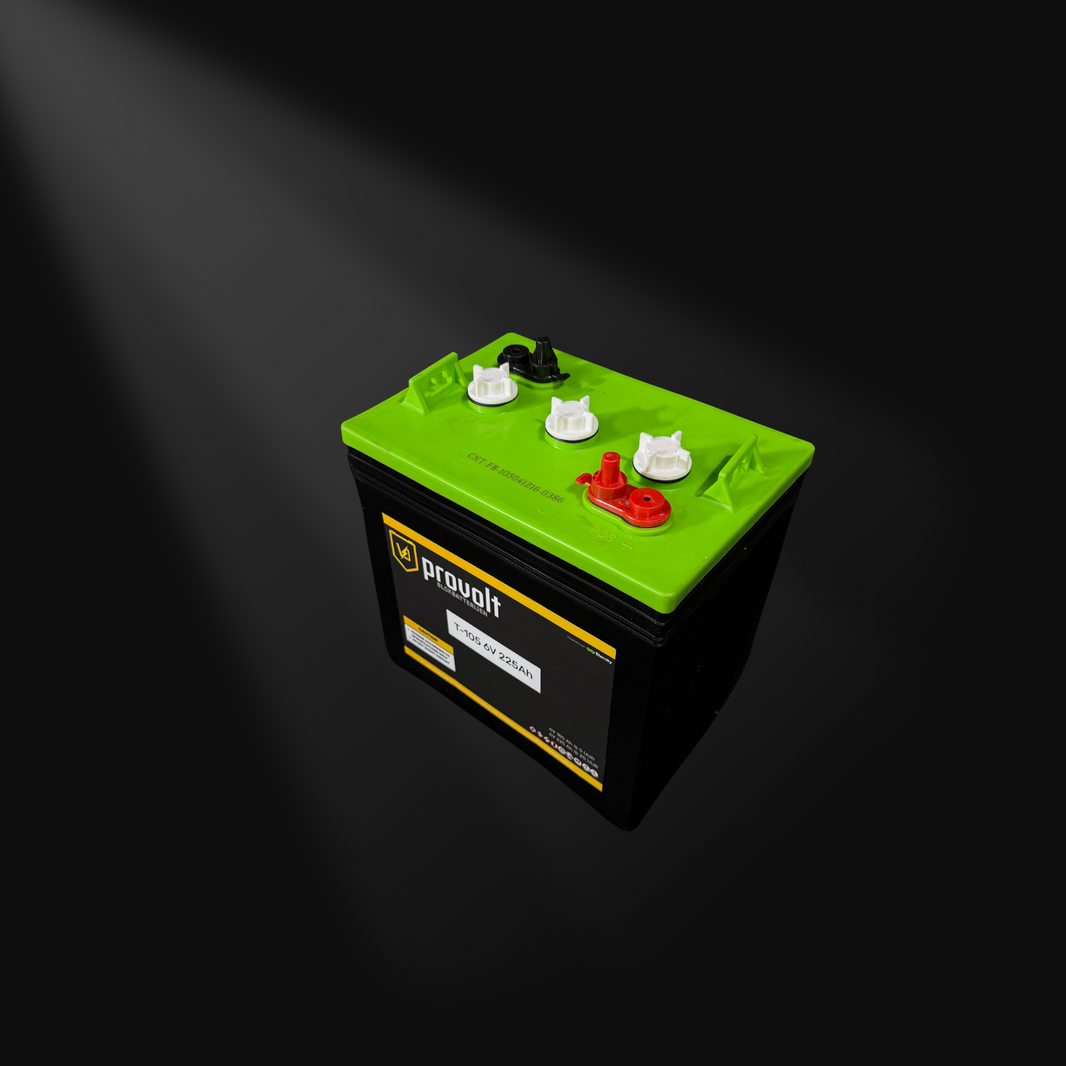
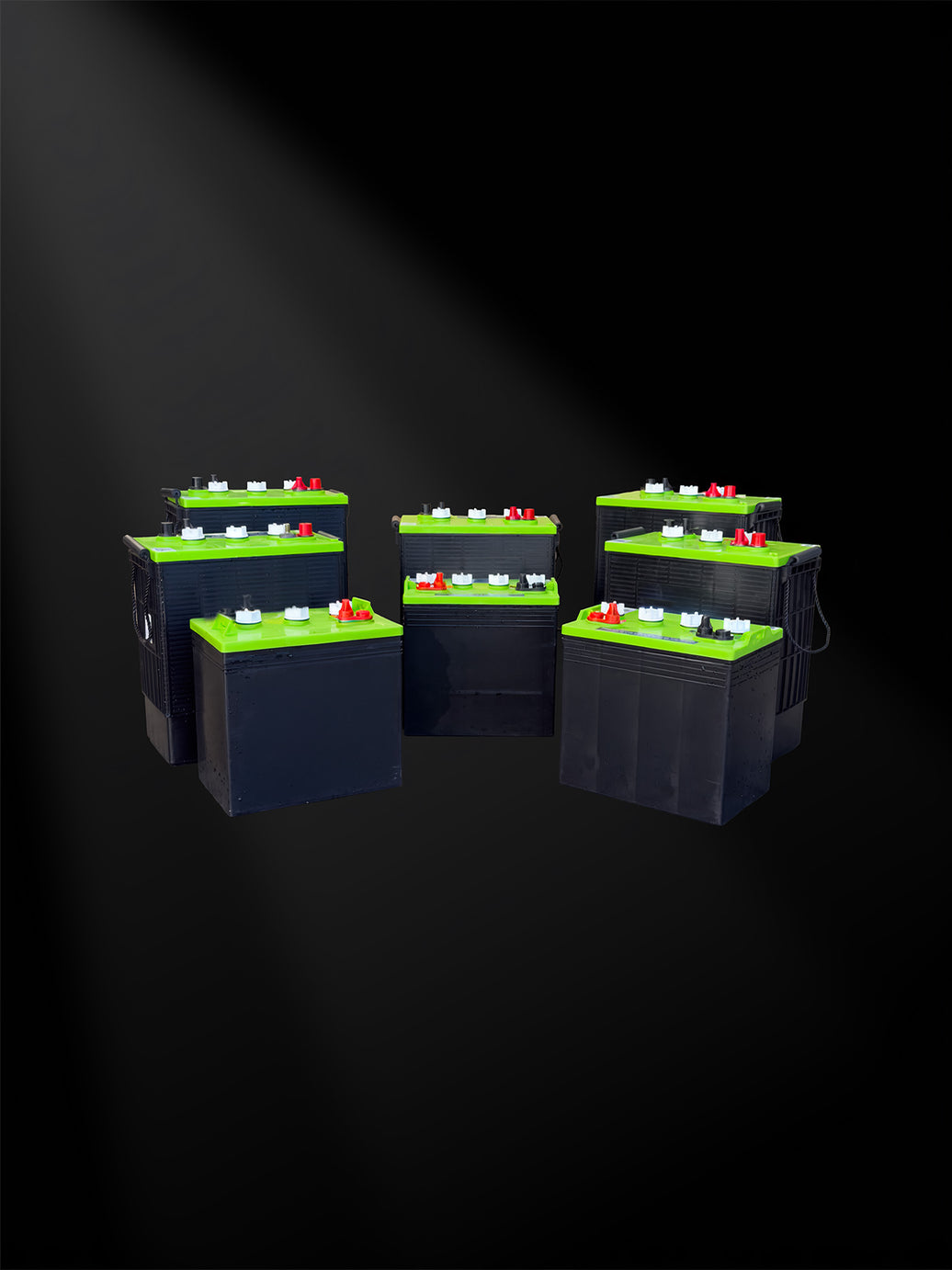
A traction battery may seem like just a battery, but it determines how well your electric vehicle performs and how long you can rely on it. A wrong choice can lead to lower efficiency, higher costs, and even damage to your device. That's why it's important to know what to look for when choosing a battery.
What is a traction battery and how does it work?
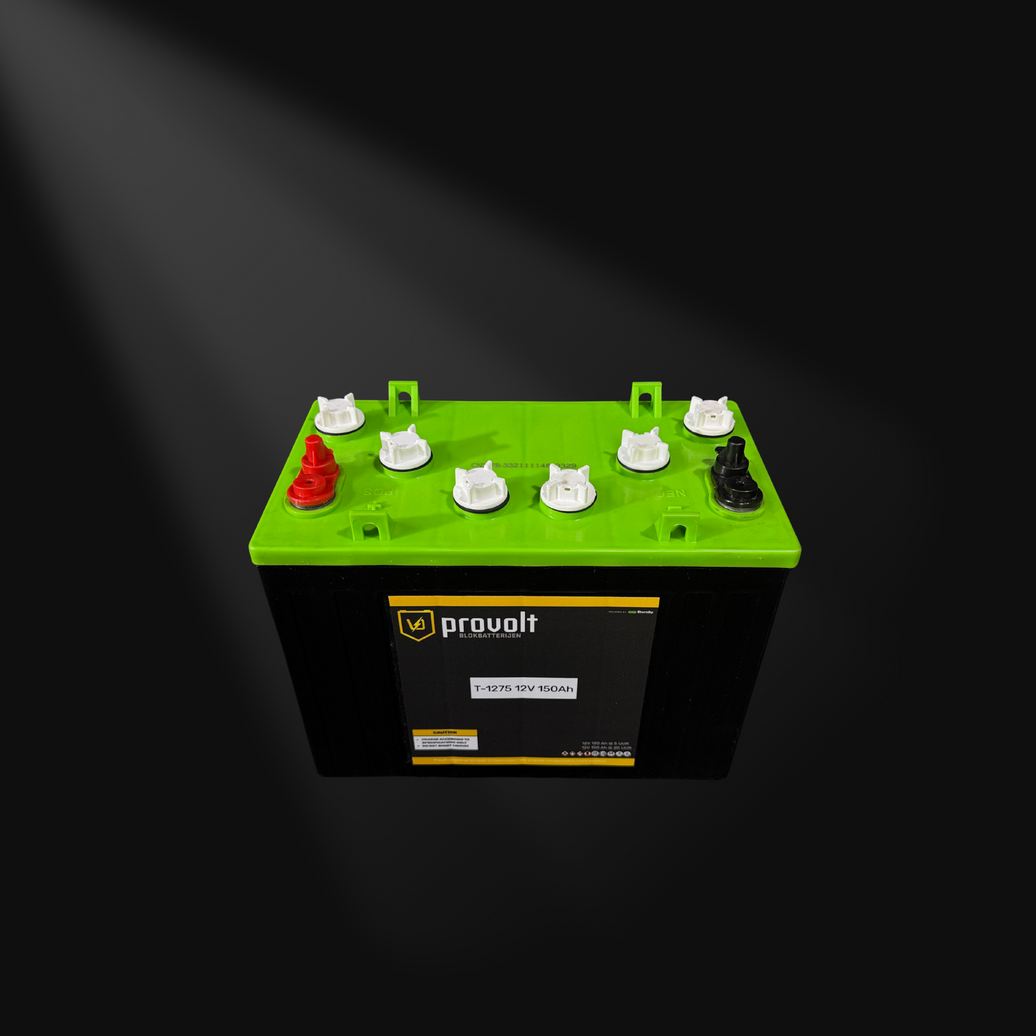
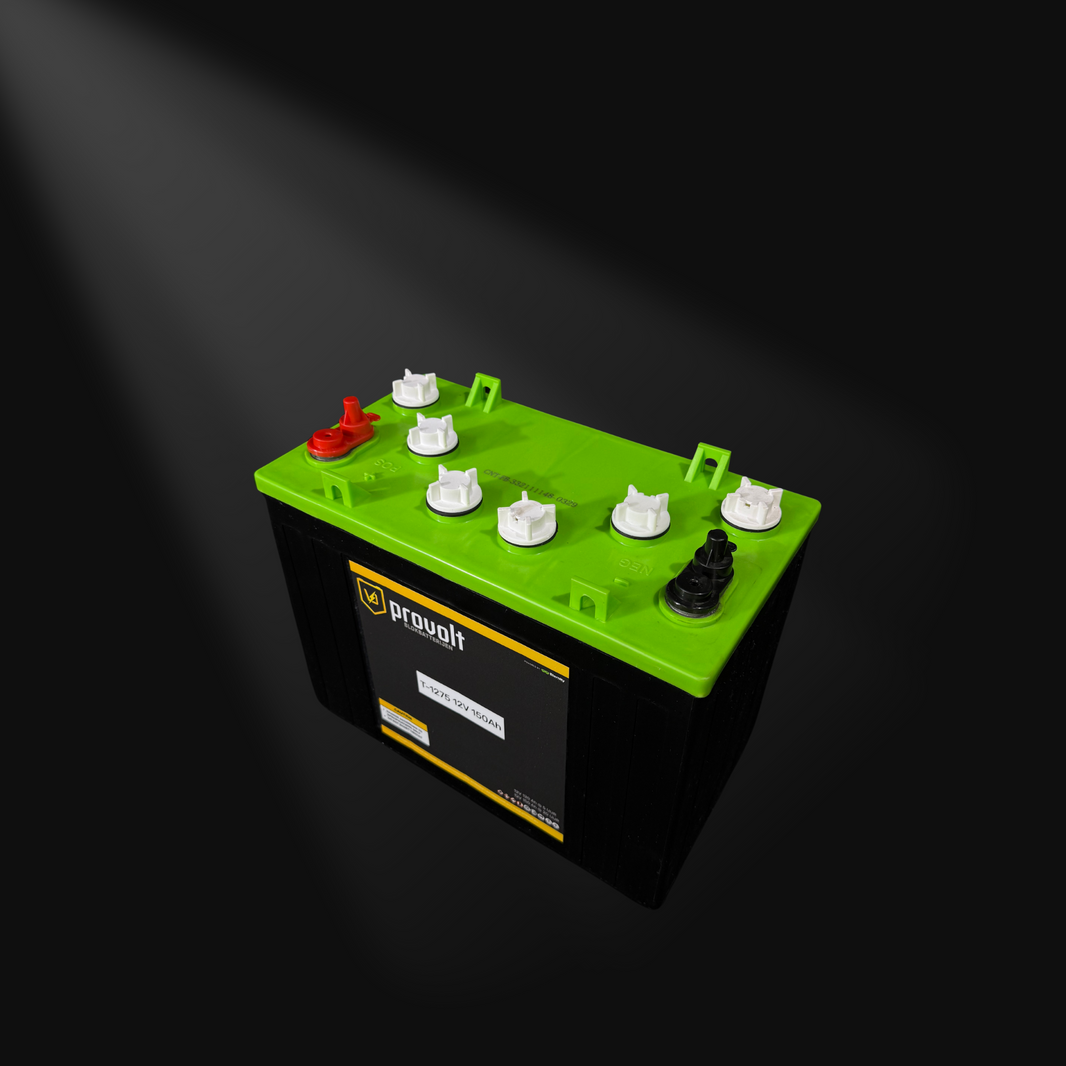
A traction battery supplies power to drive an electric vehicle or device. It is the engine behind your device's movement. Do you want to know more about how a traction battery works? Check out our previous blog.
In short: the battery stores energy and delivers it when the vehicle needs it. It must be able to withstand frequent charging and discharging and provide enough power for your vehicle's peak load.
Factors to consider when choosing a traction battery
There are a few key things to look for before choosing a new battery. These determine performance, lifespan, and safety.
Capacity and voltage
The capacity, usually expressed in ampere-hours (Ah), determines how long you can drive with the battery before it needs to be recharged. The higher the capacity, the longer the operating time.
The voltage determines the power available to your vehicle.
Type of battery technology
Not all traction batteries are the same. The most common types are:
-
Lead-acid batteries: relatively low purchase cost, robust, reliable, but longer charging time and regular water replenishment.
-
Lithium-ion batteries: lighter, higher energy density, long lifespan, but more expensive.
-
Quasar batteries: designed for intensive industrial use, with high performance and durability.
Choose the technology that suits your use and budget.
How to choose the right battery for your needs
Choosing a battery isn't just about specifications. It's about your personal situation and use.
Assessing your energy needs
Determine how much energy you need daily. A forklift that runs continuously needs a higher capacity than a pallet truck that is used occasionally. Don't forget peak loads: devices that require a lot of power need a higher current.
Compatibility with your vehicle
Not every battery fits every vehicle. Always check:
-
Battery dimensions
-
Voltage and capacity
-
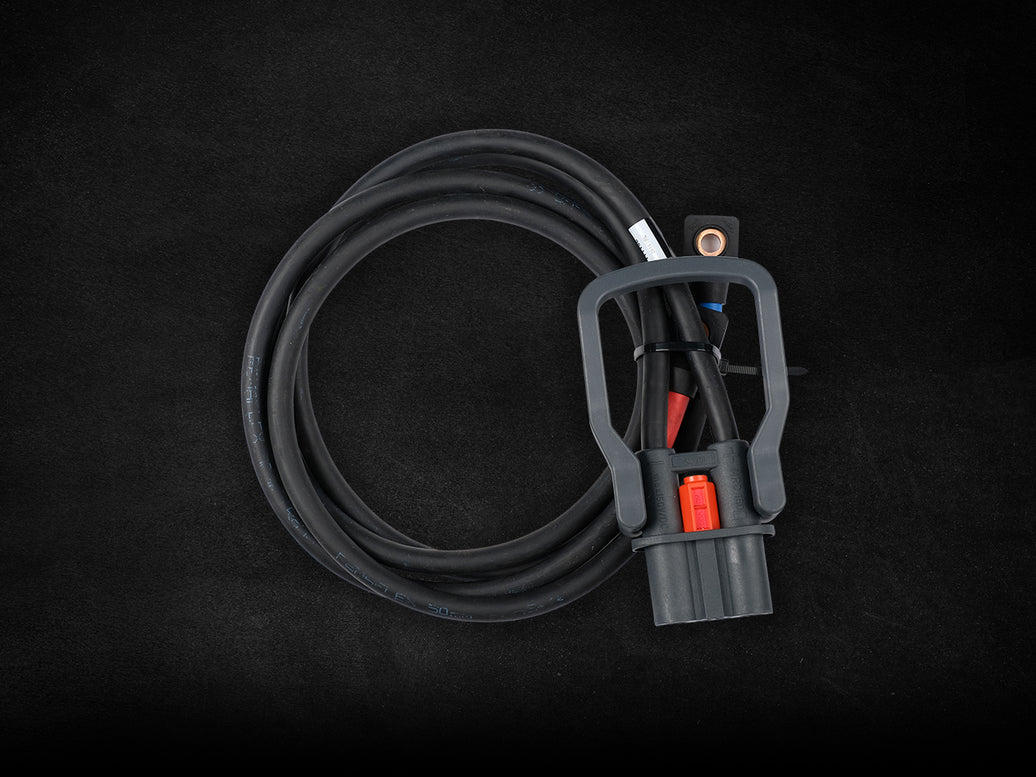
Plugs and connections
Compatibility prevents damage and ensures optimal performance.
Common mistakes when choosing a traction battery
Many people make the same mistakes:
-
Only looking at the price
-
Overestimating or underestimating capacity
-
Ignoring voltage and current
-
Not considering maintenance or charging habits
Avoiding these mistakes saves you money and frustration.
Conclusion
Choosing the right traction battery is important for the performance, lifespan, and safety of your vehicle. Pay attention to capacity, voltage, type of technology, dimensions, and compatibility. A well-thought-out choice prevents problems and ensures your vehicle remains reliable.
Do you want to know which traction battery best suits your vehicle? View our offer here and find the perfect match.

Leave a comment